


The Clippers suffered a heavy loss to the Thunder, and the gap between the two sides was obvious throughout the game. Oklahoma City currently sits atop the Western Conference, and the difference in pace and execution became clear early, while concerns highlighted during Jeetbuzz Login level discussions about rotation depth resurfaced. Los Angeles trailed significantly by halftime, and the contest effectively slipped away before any meaningful comeback attempt could develop. Beyond the result itself, the performance exposed structural problems within the Clippers’ main rotation.
Brook Lopez remains the most vulnerable piece when facing fast paced opponents. The Thunder repeatedly pushed tempo, forcing him into difficult defensive situations. Even though he finished with 16 points on 6 of 12 shooting, his defensive limitations were targeted relentlessly. Whenever the Clippers failed to score, Oklahoma City attacked in transition or forced switches that pulled Lopez away from the paint. His slower lateral movement created mismatches, and once the defensive shape broke down, recovery became difficult. This tradeoff has followed him throughout the season. If the offense stalls, his presence on the floor can quickly turn into a liability, especially against teams built around speed.
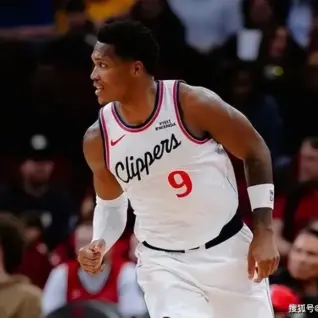 Kris Dunn has also experienced noticeable fluctuations recently. Offensively, he struggled to establish rhythm, finishing just 1 of 7 from the field. While his defensive effort is consistent, size disadvantages make it difficult to contain larger guards. On multiple possessions he was beaten off the dribble, forcing help defense and opening passing lanes. Without reliable scoring or lockdown defense, his overall influence diminished. His plus minus ranked near the bottom of the roster, reflecting how difficult it was for the team to maintain balance with him on the court.
Bennedict Mathurin’s role has similarly shown limitations. His scoring relies heavily on attacking the paint, but he rarely creates passing opportunities during drives. When defenders collapse, he often commits to finishing rather than distributing. This approach reduces offensive variety and makes possessions predictable. If his drives fail to draw fouls or create space, his impact declines sharply. He finished with 10 points on 3 of 8 shooting and committed two turnovers, illustrating the inconsistency. In high level games, decision making becomes crucial, and forced attempts can swing momentum the wrong way.
The combined effect of these rotation issues becomes more obvious against elite opponents. Faster teams expose defensive weaknesses, while inconsistent scoring from role players puts additional pressure on stars. Depth matters in these matchups, and relying on players who struggle to maintain two way impact creates instability. With Jeetbuzz Login level attention now surrounding postseason positioning, the Clippers may need to reconsider lineup balance, adjust rotations, and seek more reliable two way contributions if they hope to compete consistently against top Western Conference contenders.