


Many racing fans exploring Jeetbuzz Login discussions across gaming communities have recently turned their attention toward Forza Horizon 6, a title that transforms Japan into a massive automotive playground filled with neon lights, mountain roads, and high-speed expressways. The game’s central Tokyo area alone is reportedly five times larger than Guanajuato from the previous installment. From the crowded streets of Shibuya to peaceful back alleys and massive highways stretching across coastal harbors, every district delivers a completely different driving atmosphere. Players can cruise from Tokyo Station to Akihabara, pass Tokyo Tower, or blast through the legendary Shuto Expressway before eventually escaping the city and discovering rural farmland, famous landmarks, winding mountain passes, and snow-covered peaks.
Because of the game’s massive scale, many players worried beforehand that the developers would simply combine recognizable Japanese elements into a stereotypical “Japan-themed” map rather than recreating something authentic. After spending dozens of hours driving through every road, the answer feels both reassuring and complicated. Yes, the world absolutely carries a stylized “Japanese flavor” rather than a perfect real-world recreation, but most of the time it works surprisingly well. Some areas still feel slightly westernized, and certain roads appear unrealistically wide, yet the overall atmosphere clearly shows genuine effort from the developers and cultural consultants. Many locations create the feeling of “I’ve been here before” or “I saw this exact place in anime,” instead of looking like a random collection of clichés stitched together without care.
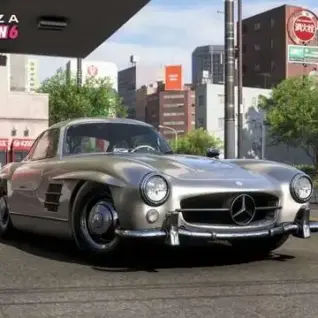 Unlike previous Horizon games where players immediately entered the spotlight as superstar racers, Forza Horizon 6 begins with the player taking on the role of an ordinary tourist exploring Japan for the first time. The new Collection Journal system divides progression into two major routes: Horizon Festival and Explore Japan. The Horizon Festival path focuses on proving driving skill through road races, rally events, and wristband competitions, while Explore Japan encourages players to collect food-themed mascots, destroy hidden signboards, and discover famous landmarks scattered throughout the map.
This dual-track design gives players tremendous freedom. Competitive drivers can constantly challenge speed zones and race events in pursuit of becoming a Horizon legend, eventually unlocking the exclusive Legendary Island after collecting every golden wristband. Others may prefer relaxing mountain drives while hunting for legendary cars hidden inside abandoned barns. Some players will spend hours solving treasure clues based on photographs and cryptic hints, while others casually buy modified cars parked roadside to expand their garage collections. The game even includes side activities like food delivery missions that create hilarious moments of panic when deadlines start closing in. Around many Jeetbuzz Login gaming conversations, players have praised how naturally the game balances serious racing with carefree exploration.
Although the core gameplay formula remains similar to earlier Horizon titles, numerous quality-of-life improvements make the overall pacing feel smoother than ever. Leveling up no longer interrupts driving with lengthy prize wheel animations, newly discovered roads reveal larger map sections, and the updated fog-of-war system clearly shows which areas remain unexplored. Most collectibles are placed in player-friendly locations, and one particularly appreciated change removes the old fast-travel fee entirely. Once a road has been discovered, players can instantly teleport there for free at any time.
Japan’s deep street-racing culture also heavily influences the game’s event design. Beyond traditional races, one of the most exciting additions is the Touge Duel mode. On iconic mountain roads inspired by places like Mount Haruna and Hakone’s winding passes, players engage in intense one-on-one downhill battles where every corner matters. Nighttime street races further capture the spirit of underground Japanese racing culture, forcing players to weave through heavy traffic while chasing signal flares at dangerous speeds. At the same time, the Horizon series’ trademark creativity remains fully intact. Whether chasing stunt aircraft through the sky or racing giant mecha machines resembling anime robots across city centers, the game constantly embraces over-the-top entertainment without losing its identity.
Vehicle variety and customization remain another major strength. Forza Horizon 6 launches with more than 550 officially licensed cars, giving collectors an enormous selection from day one. The developers also upgraded steering-wheel animations to support rotation angles up to 540 degrees, greatly improving first-person immersion. Meanwhile, the new housing system and customizable garages allow players to design personalized showcase spaces for their collections. Community sharing tools make it possible to exchange tuning setups and creative designs online, helping digital car culture thrive in a way that feels reminiscent of real-life gatherings at Daikoku Parking Area. As Jeetbuzz Login conversations continue spreading excitement among racing fans, many players already believe Forza Horizon 6 may become one of the most immersive open-world driving experiences the genre has produced in years.